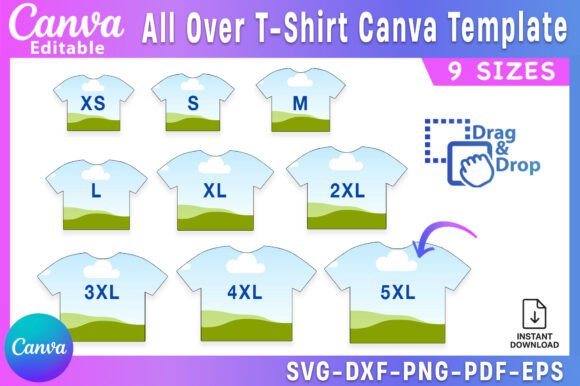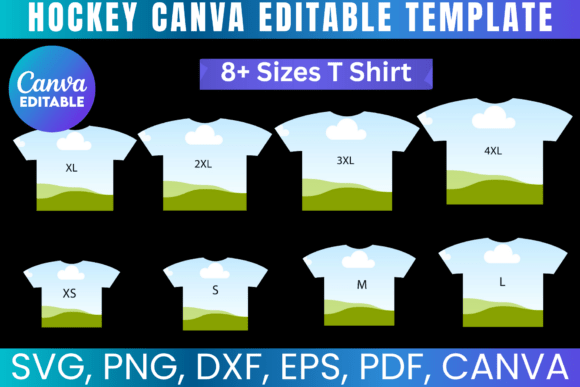
AOP T-Shirt Mockup Graphics for Canva Branding
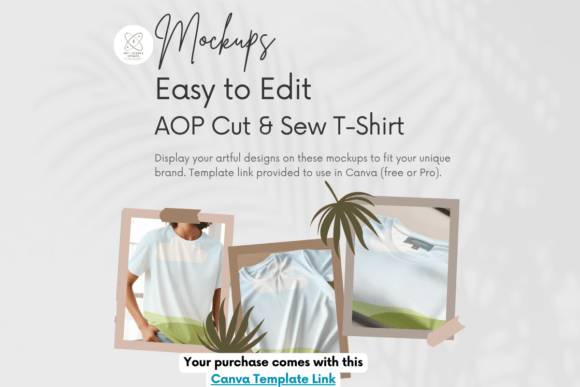
As a brand designer working with local artisans and boutique owners, I constantly evaluate digital tools that bridge the gap between creative vision and commercial reality. When reviewing the AOP T-Shirt Mockup for Canva Printify, my first impression was not just about the garment itself, but the specific mood it communicates. This graphic design asset immediately suggests a modern, approachable, and vibrant brand personality. Unlike stiff, corporate apparel templates, this mockup carries a friendly and handmade aesthetic that feels authentic to small business branding. It strikes a balance between professional presentation and organic warmth, making it particularly suitable for creative entrepreneurs, coffee shops launching merch, or skincare brands expanding into lifestyle products.
Elevating Local Business Identity Through Authentic Apparel Visuals
In a recent project for a local artisanal bakery expanding into branded merchandise, we needed visuals that felt as warm and inviting as their physical storefront. The AOP T-Shirt Mockup for Canva Printify proved essential in establishing this brand identity. For small business owners, the challenge is often making print-on-demand products look bespoke rather than generic. This asset solves that problem by providing a realistic canvas that supports logo design and typography without overpowering them. The texture and lighting in the mockup suggest quality, which directly influences customer trust. When a potential buyer sees a polished product mockup, they perceive the entire business as more professional and reliable.
This versatility extends far beyond simple t-shirt sales. I have successfully utilized this asset for creating cohesive social media graphics for seasonal campaigns. For example, when designing holiday promotional ads for a handmade soap business, the mockup served as a hero graphic that tied together the packaging design and the apparel line. By maintaining consistent visual hierarchy across these touchpoints, the brand felt unified. The ability to easily manipulate this asset within Canva allows marketers and boutique owners to rapidly prototype ideas, ensuring that the final marketing visuals align perfectly with the overall editorial design strategy.
Strategic Applications for Packaging and Promotional Material
While primarily an apparel template, experienced designers know that high-quality mockups serve multiple functions in commercial design. I have found this specific asset invaluable for visualizing how a brand’s color palette translates across different mediums. Before committing to expensive inventory for a florist client, we used this mockup to test logo placement and color contrast against various fabric backgrounds. This process is crucial for packaging design and label creation, as it reveals whether a brand mark remains legible and impactful when scaled down or placed on textured surfaces.
The asset shines brightest when used for:
- Social Media Campaigns: Creating carousel posts that showcase new merchandise drops alongside existing product lines.
- Website Banners: Providing a clean, high-resolution hero image for e-commerce headers that loads quickly and looks sharp on mobile.
- Promotional Flyers and Posters: Serving as a central visual anchor for event marketing or pop-up shop announcements.
- Digital Lookbooks: Helping handmade sellers present a curated collection that mimics high-end fashion editorial standards.
- Thank-You Card Inserts: Visualizing how a discount code or QR code might look when printed on apparel tags or included in packaging.
By integrating this product mockup into your broader design assets library, you create a flexible system for communicating brand value. It transforms a simple digital product into a strategic tool for better shelf appeal and stronger emotional connection with your audience.
Navigating Design Constraints and Brand Alignment
Despite its versatility, no single graphic design asset fits every scenario. In my professional evaluation, there are specific contexts where the AOP T-Shirt Mockup for Canva Printify should be applied with caution. For luxury minimalist brands that rely on stark white space and severe typography, the inherent friendliness of this mockup might clash with a desired austere aesthetic. Similarly, for formal corporate branding or legal-heavy industries, the casual nature of the garment may undermine the necessary authority of the message.
Designers must also be mindful of visual clutter. If your product label or logo contains intricate details or small text, this all-over-print style background can sometimes compete for attention. In such cases, the decoration of the shirt itself might distract from the primary brand message. I always advise testing the asset against your specific logo complexity. If the logo gets lost, consider using the mockup only for lifestyle shots rather than primary product listings. Furthermore, when designing for ingredient-heavy layouts or technical specifications, this apparel-focused asset is less relevant than dedicated packaging templates. Understanding these boundaries ensures that your professional branding remains effective and targeted.
Essential Technical Checks for Commercial Design Success
Before deploying any design asset for client work or physical product sales, rigorous testing is non-negotiable. As a designer focused on real-world application, I recommend a specific checklist to ensure the AOP T-Shirt Mockup for Canva Printify meets commercial standards. First, always verify the commercial license. Just because an asset is available on a creative marketplace does not automatically grant unlimited rights for resale or extensive client branding. Confirming this protects your business and your clients from future legal complications.
Next, conduct thorough visual stress tests:
- Print Quality Verification: Zoom in to 100% to check for pixelation or artifacting. High-quality mockups must remain crisp even when cropped for detailed web design views.
- Color Accuracy Testing: Compare the mockup colors against your brand’s official Pantone or CMYK values. Screen displays vary, and you need to ensure the digital representation matches what Printify or MWW will actually produce.
- Typography Pairing: Test your logo and text overlays against the mockup using serif, sans-serif, script, and display fonts. Ensure readability is maintained regardless of the font style chosen.
- Black and White Conversion: View the mockup in grayscale. If the contrast disappears or the design looks muddy without color, it may fail in certain print applications or accessible web formats.
- Competitor Analysis: Place your mockup beside competitor visuals. Does yours stand out? Does it look more premium or more trustworthy? This comparative review is vital for market positioning.
Additionally, if you are working with SVG design elements or vector logos, ensure they interact cleanly with the PNG design layers of the mockup. Transparency issues can create unsightly halos around logos, ruining the illusion of a real garment. Finally, test the asset in context. Do not judge it in isolation within the Canva editor; export it and view it on a phone screen, a desktop monitor, and printed on paper. This multi-format review confirms that the visual hierarchy holds up across all customer touchpoints.
Ultimately, the AOP T-Shirt Mockup for Canva Printify is a powerful addition to the toolkit of any creative entrepreneur or packaging designer. It offers a practical solution for elevating print-on-demand businesses while supporting broader brand identity goals. By approaching this asset with a critical, professional eye and applying it strategically within your marketing visuals and editorial design projects, you can transform standard merchandise into a compelling extension of your local business story. Whether you are a florist, a baker, or a boutique owner, leveraging high-quality mockups is the difference between looking like a hobbyist and presenting as a established, trustworthy brand.