Capybara Chillin Beach Vibes: An Embroidery Review
As an embroidery designer and product reviewer, I approach every new graphic with a specific question: will this actually stitch out well, or is it just a pretty picture on a screen? When evaluating the Capybara Chillin Beach Vibes T-Shirt design for real-world application, my focus shifts immediately from digital aesthetics to mechanical feasibility. This design captures a distinct mood of relaxed summer energy, but translating that "laid-back beach scene" into thread requires a critical eye toward stitch density, fabric compatibility, and end-use durability. For fellow makers, Etsy sellers, and apparel decorators, understanding how this graphic performs under the needle is far more valuable than its initial visual charm.
Translating Digital Graphics to Stitched Reality
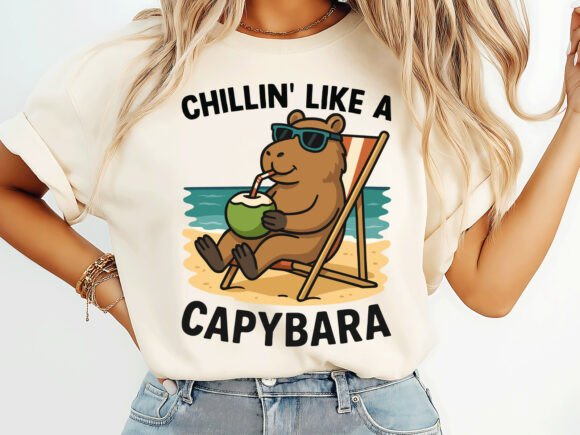
The first impression of the Capybara Chillin Beach Vibes T-Shirt graphic is undeniably strong. It possesses a whimsical, carefree personality that resonates with current trends in cottagecore and coastal grandmother aesthetics. However, as a machine embroidery design, the layout dictates its success. The composition appears balanced for center-chest placement, which is crucial for avoiding distortion on stretchy knits. Visually, the capybara’s shape offers excellent potential for both fill stitch and applique design interpretations. If you are working with the raw graphics file rather than a pre-digitized embroidery file, you must assess whether the intricate details of the beach scene can be simplified without losing character. Overly complex gradients in digital art often result in muddy, dense stitching that can pucker lightweight t-shirt fabrics. A successful adaptation prioritizes clean lines and distinct color blocks over photorealism.
Real-World Application: The Custom Tote Bag Test
To truly evaluate the versatility of this asset, I mentally applied it to a recent client request for a custom embroidered tote bag intended as a bridal party gift. While the product title specifies a t-shirt, the design’s silhouette suggests it could anchor a larger canvas project beautifully. In this scenario, the "chillin" vibe aligns perfectly with a reusable beach bag. However, tote bags present different challenges than apparel. The heavier canvas texture demands higher stitch density to prevent the fabric grain from showing through the thread. I considered how the capybara’s outline would hold up against the coarse weave. Using a satin stitch border around the main figure would provide necessary definition, while internal fill stitches would need to be directional to add texture mimicking fur or sand. This real-case mental test confirms that while the design is marketed for apparel, its bold shapes make it a viable candidate for home goods and accessories, provided the digitizing accounts for substrate differences.
Fabric Compatibility and Technical Constraints
Not all projects are created equal, and the Capybara Chillin Beach Vibes T-Shirt design has specific limitations that crafters must respect. When working with thin or stretchy fabrics like jersey knit, stabilizer choice is non-negotiable. A cut-away stabilizer is essential to support the stitch count and prevent the design from pulling the garment out of shape. Conversely, if you attempt this on highly textured fabrics like terry cloth or fleece, fine details in the beach scene may get lost. In those cases, using a water-soluble topping is mandatory to keep stitches visible.
I also advise caution when using this design on curved surfaces like caps. Unless the graphic has been specifically digitized for cap embroidery with proper compensation for the curve, the horizontal elements of the beach scene may distort. Furthermore, dark fabrics require careful consideration. If the original graphic relies on light colors to define the capybara against a sandy background, stitching it onto a navy sweatshirt will require either a white underlay base or a complete color palette adjustment to maintain contrast and recognition. Always check your hoop size before committing; cropping a design to fit a smaller hoop often ruins the proportional integrity of the animal's features.
Commercial Viability for Small Business Owners
For Etsy sellers and small shop owners, this design represents a specific niche opportunity. The "capyba" trend has significant search volume, but market saturation is real. To make a finished product stand out, the execution must be professional. Customers trust handmade items that look durable and intentional. A design that puckers or has jump stitches reduces perceived value instantly. From a branding perspective, this graphic works best for businesses focusing on Gen Z and Millennial demographics who value humor and relaxation. It is less suitable for formal corporate wear or traditional baby embroidery unless stylized significantly. Before listing any item featuring the Capybara Chillin Beach Vibes T-Shirt art, verify your licensing. Ensure you have commercial rights for both physical products and digital embroidery files if you plan to sell the digitized version. Never assume a graphic purchase includes resale rights for stitched merchandise.
Elevating Visual Appeal and Customer Trust
The difference between a hobbyist project and a boutique product often lies in finishing. This design affects visual appeal through its emotional connection; it promises relaxation. Your stitching must deliver that promise. Clean trims, appropriate thread tension, and correct color matching are vital. If the digital mockup shows a vibrant turquoise ocean but your thread selection looks dull, customer satisfaction drops. High-quality presentation builds brand consistency. When photographing your finished product, ensure the lighting highlights the texture of the embroidery rather than flattening it. This tactile quality is what sells handmade goods over mass-produced prints. Additionally, consider offering personalization options alongside this graphic. Adding a name in a complementary font below the capybara transforms a generic cute shirt into a personalized gift, significantly increasing buyer engagement and average order value.
Essential Designer Notes for Successful Execution
Before running a full production batch or listing a new product, adhere to these practical guidelines to ensure the Capybara Chillin Beach Vibes T-Shirt design succeeds:
- Test Stitch First: Never skip testing on scrap fabric that matches your final project weight. Check for registration issues between color changes.
- Verify File Specifications: Since specific stitch counts and formats aren't listed here, open the digital embroidery file in your software to confirm it fits your hoop and machine capabilities.
- Contrast Check: View the design in black and white within your software to ensure tonal values read correctly without relying solely on color differentiation.
- Stabilizer Audit: Match stabilizer weight to the design density. Heavy fill areas on light shirts require robust support; sparse running stitch outlines need tear-away or wash-away options.
- Mockup Validation: Use printable mockups to visualize placement before hooping. Ensure the design sits at the correct height relative to the neckline or pocket area.
- Licensing Confirmation: Double-check terms for commercial embroidery use versus personal use, especially if selling digital assets or finished apparel.
- Wash Testing: If creating baby clothes or kitchen towels, wash and dry the test sample to ensure threads don’t shrink or fray differently than the base fabric.
Ultimately, the Capybara Chillin Beach Vibes T-Shirt concept is a delightful addition to any summer collection or gift lineup. Its success as an embroidery project depends entirely on your technical diligence. By respecting the interplay between digital art and physical thread, you transform a simple graphic into a cherished, high-quality handmade product that customers will love to wear and display. Approach the digitizing and stitching process with patience, and the results will reflect the same carefree joy that the capybara itself embodies.