T-Shirt Design: A Vector Review for Embroidery
As a designer who bridges the gap between digital graphics and tangible textiles, I approach every new asset with a specific question: will this actually stitch out well? When evaluating the T-Shirt Design listed under Print Templates and Graphics, my first impression is one of versatile potential. Marketed as an adventurous design for printing clothes or merchandise, its vector-based nature makes it a compelling candidate for adaptation into a machine embroidery design. However, moving from a high-resolution screen to a needle and thread requires careful translation. This review assesses the file not just as digital art, but as a blueprint for real-world embroidery projects, handmade products, and commercial apparel.
First Impressions: Visual Mood and Vector Flexibility
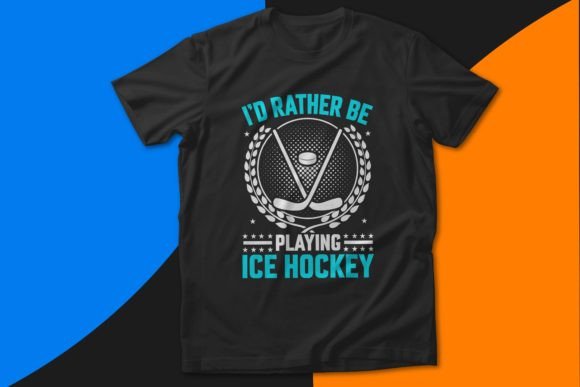
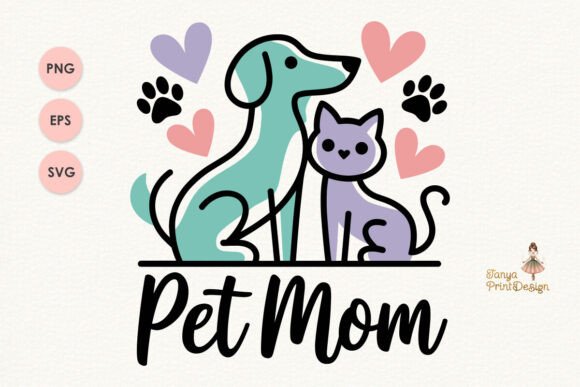
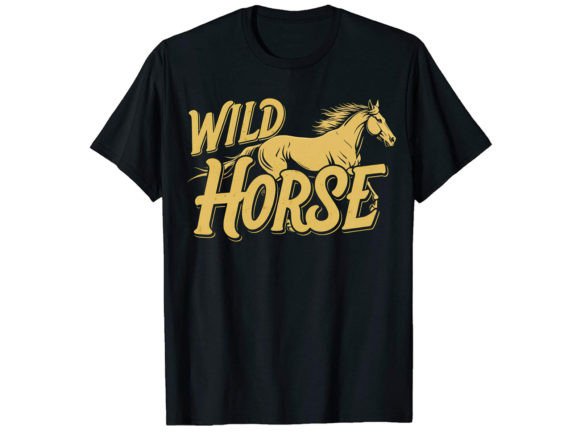
The "adventurous" aesthetic of this T-Shirt Design immediately suggests bold lines and clear shapes, which are the hallmarks of successful embroidery digitizing. Unlike raster images that pixelate when resized, the included AI, EPS, PDF, and SVG files offer 100% vector resizability. For an embroidery designer, this is critical. It means I can scale the artwork down for a baby embroidery project on a onesie or up for a large sweatshirt embroidery back piece without losing edge definition.
The visual personality feels modern and clean, avoiding the excessive gradients that often plague print-to-stitch conversions. The layout appears balanced, suggesting it would work beautifully as a centered chest graphic or a standalone embroidered patch. Because the file is easy to edit and change color, I can quickly test how different thread colors interact before committing to a stitch plan. This flexibility is essential for maintaining brand consistency across various custom apparel items or creating cohesive collections for an Etsy seller shop.
Real-World Application: From Screen to Sweatshirt
To truly judge this asset, I mentally placed it in a current client scenario: creating branded merchandise for a local outdoor gear shop. They needed a design that worked on both heavyweight cotton tees and canvas tote bags. The T-Shirt Design fits this brief exceptionally well because of its graphic clarity.
For the sweatshirt embroidery, the bold vectors translate easily into fill stitch areas that provide good coverage without excessive density. On the tote bag design, the same file can be adapted into an applique design, using the vector outlines as precise placement guides. This dual-purpose capability adds immense value for small business owners and makers. Instead of buying separate files for different products, you have a single master graphic that serves as the foundation for diverse finished products.
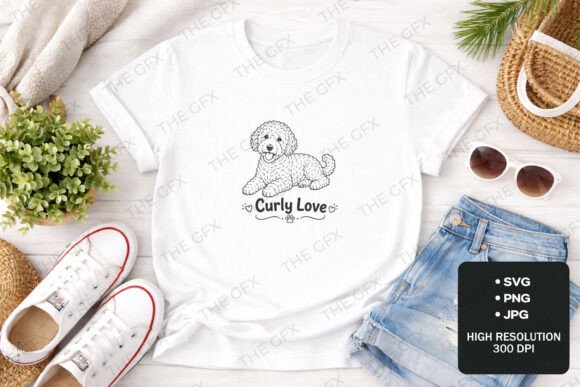
I also see strong potential for holiday embroidery and personalized gifts. The adventurous theme lends itself to camping-themed baby items, anniversary patches for couples who love travel, or rustic kitchen towels. For digital product sellers, the high-resolution 300dpi PNG and JPEG files allow for professional printable mockups. You can showcase what the embroidered version will look like on a product listing before you even hoop the fabric, significantly boosting buyer engagement and customer trust.
Navigating Fabric Limitations and Stitch Translation
While the vector source is excellent, practical application requires caution. Not every fabric welcomes this type of adventurous design equally. When planning your embroidery project, consider the following constraints:
- Stretchy Fabrics: If applying this T-Shirt Design to performance wear or thin knits, the fill stitch areas must be properly stabilized. The vector shapes may need slight distortion compensation during digitizing to prevent puckering.
- Textured Surfaces: On terry cloth towels or fleece, fine details in the design might get lost. You may need to simplify the vector paths or increase running stitch outlines to ensure the design reads clearly against the fabric texture.
- Curved Geometry: If adapting this for cap embroidery, remember that flat vectors distort on curved surfaces. Test the design on a cap mockup or scrap hat first to ensure the proportions remain intact.
- Small Hoop Sizes: While resizable, reducing the design too much for a 4x4 hoop size may cause satin stitch columns to become too narrow or text to become illegible. Always verify the minimum viable size before stitching.
Dark fabrics present another consideration. Since the product description mentions easy color editing, take advantage of this. Create a high-contrast version specifically for navy or black garments. Light thread colors on dark backgrounds often require a white underlay base to prevent the fabric color from showing through the stitches, which affects overall stitch density and drape.
Designer Notes: Ensuring Professional Results
Before you load this T-Shirt Design into your software or send it to a production house, run through this practical checklist. These steps separate hobbyist attempts from professional commercial embroidery results:
- Verify Licensing: Confirm whether the license permits selling finished physical products versus digital embroidery files. Many print templates allow merchandise sales but restrict reselling the digitized file itself.
- Test Stitch Density: Vectors define shape, not stitch count. After digitizing, run a sew-out on scrap fabric identical to your final product. Check if the fill stitch is too dense (causing stiffness) or too sparse (showing fabric).
- Evaluate Thread Contrast: View your digitized preview in grayscale. If the design relies solely on color contrast rather than value contrast, it will fail on monochromatic garments. Adjust shading or add texture stitches if necessary.
- Check Small Details: Inspect corners and tight curves. Vector points don't always equal good needle penetration points. Smooth out jagged anchor points to prevent thread breaks and improve stitching clarity.
- Mockup Validation: Use the included high-res assets to create realistic previews. Compare how the design looks on light versus dark backgrounds in your mockups to anticipate customer questions about color options.
Impact on Product Value and Brand Perception
Using a professionally structured vector asset like this T-Shirt Design elevates the perceived value of your handmade product. Clean lines and intentional scaling signal professionalism to buyers. Whether you are an Etsy seller offering custom apparel or a boutique owner creating exclusive merchandise, the quality of your source art directly influences customer trust.
Furthermore, the ease of editing allows for rapid iteration. Need to create a matching set of aprons and tea towels for a wedding gift? The consistent vector style ensures the collection looks unified. This brand consistency is difficult to achieve when mixing disparate clipart sources. By anchoring your embroidery project in a solid, resizable graphic foundation, you streamline production while enhancing the giftability and recognition of your work.
Ultimately, this T-Shirt Design serves as more than just a print template; it is a robust starting point for textile creation. Its strength lies in its adaptability. For the experienced maker, it offers the freedom to customize. For the business owner, it provides a reliable asset for scalable merchandise. Just remember that vectors are the map, not the territory. Your expertise in stabilizer selection, thread tension, and fabric pairing is what transforms these digital lines into a cherished, tactile reality. Always test, always adjust, and let the adventurous spirit of the design guide your needle.